Leave Your Message

Lingchen Technology’s LC1500 Series PLC Powers a Bottom-Suction Paper Feeder
2026-09-30
linchen-technology-empowers-se


In the corrugated packaging industry, die-cutting machines are the key equipment that determines the quality of carton formation. As the upstream feeding equipment for die-cutting machines, the feeding efficiency and stability of the feeder directly impact the production capacity of the entire line. The bottom-suction feeder uses suction nozzles at the bottom to grip the paper, effectively handling warped cardboard, preventing scratches, and achieving precise, stable automatic feeding. However, traditional feeders often face issues such as insufficient multi-axis synchronization accuracy, significant impact during feeding start-up and stop, and cumbersome setup and adjustment when switching between different cardboard specifications during high-speed operation, which limit the efficiency gains of die-cutting production lines.
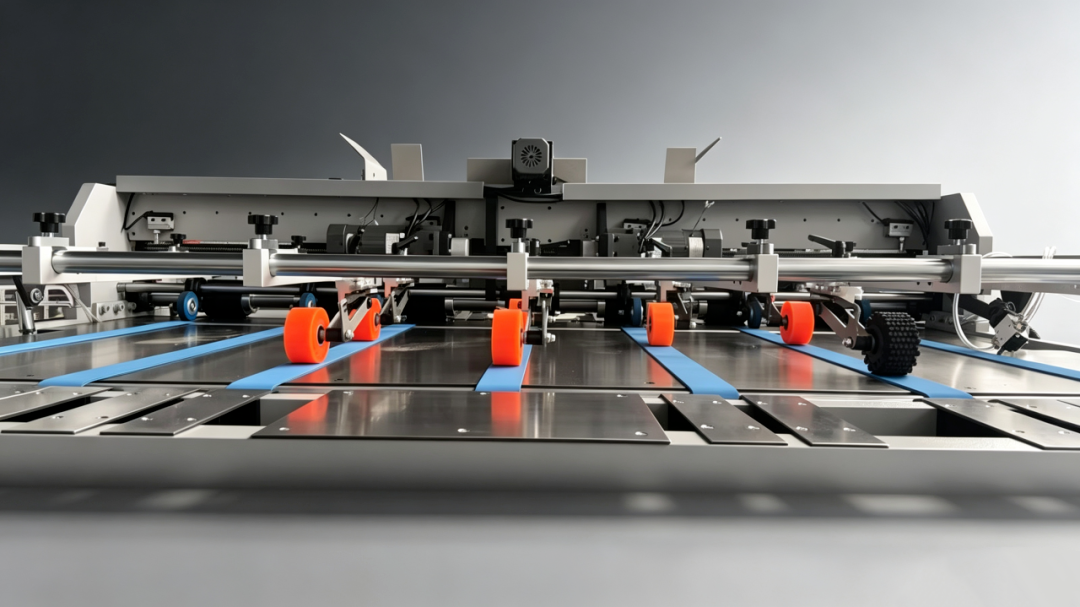
Addressing the stringent requirements of bottom-suction feeders for multi-axis synchronous control, full cam curve planning, and stable high-speed feeding, Lingchen Technology provides an integrated solution centered on the LC1500 series PLC, servo drive system, and touchscreen. This solution perfectly resolves the pain points of traditional feeders—such as low efficiency, poor coordination, and cumbersome changeover and debugging—and creates a new, highly efficient, stable, and intelligent paper feeding pathway for customers.


Equipment Technology and Application Scenarios 

1

Overall Drive System
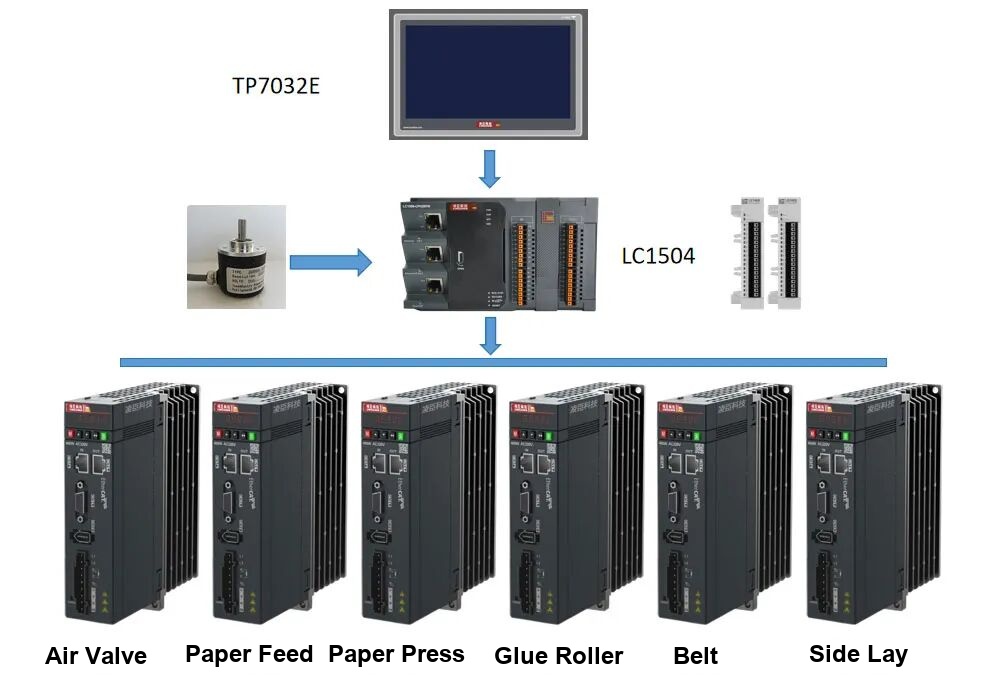
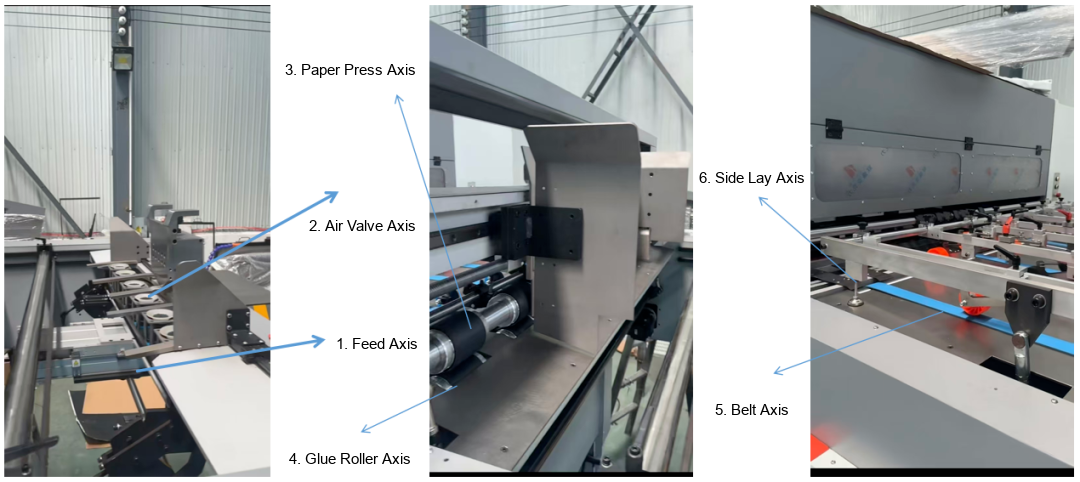
The drive system of the bottom-suction feeder consists of six servo axes: feed, air valve, paper press, rubber roller, belt, and side guide. Each axis works in coordination with the virtual spindle via an electronic cam to ensure precise paper suction, conveyance, and positioning.

2

Process Flow Equipment
The complete process flow is as follows:
① Paper Suction and Pickup: The air valve mechanism opens; the suction nozzle lifts and creates negative pressure, firmly suctioning the corrugated board.
② Reciprocating Paper Feed: The paper feed mechanism carries the sheet backward to complete the pickup, then moves forward to feed the sheet into the paper clamping mechanism area.
③Clamping and Positioning: The paper-clamping mechanism (clamping wheels/rollers) presses down, precisely securing and holding the leading edge of the sheet.
④ Accelerated Discharge: The feed rollers rotate in sync with the belt, using friction to accelerate the sheet’s discharge and precisely guide it into the die-cutter’s feed jaws, completing the paper feeding process.
⑤ Side Guide Push: Before the sheet enters the die-cutting teeth, the side guide rapidly completes its push-and-return motion to ensure neat sheet collection after die-cutting.
3

Process Topology

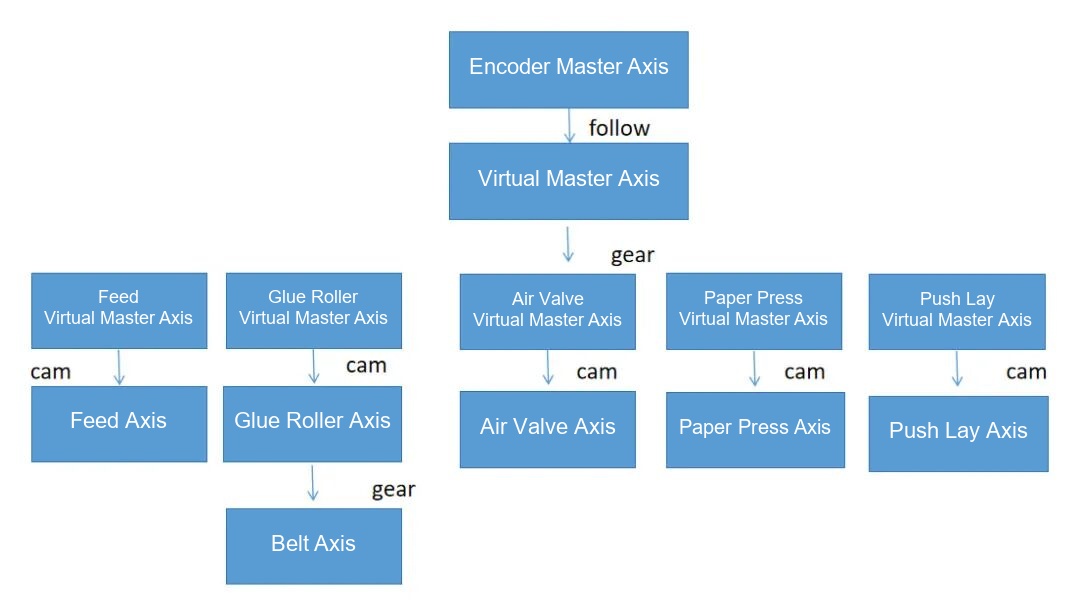
The equipment employs a hierarchical control architecture consisting of an encoder spindle → virtual spindle → virtual spindles for each axis → execution axes. The encoder spindle generates virtual spindles via a “follow” function, and these virtual spindles use gears to drive the feed virtual spindle, adhesive roller virtual spindle, air valve virtual spindle, paper-pressing virtual spindle, and gauge-pushing virtual spindle, respectively. Each virtual spindle then uses an electronic cam to drive the feed shaft, rubber roller shaft, air valve shaft, paper-pressing shaft, and gauge-pushing shaft, respectively. The rubber roller shaft also drives the belt shaft via a gear, achieving fully synchronized, cam-driven motion across all six axes.

Performance Specifications
The customer has specified the following performance requirements for the feeder control system:
· Speed: 5,000 sheets per hour
· Paper length: 1,400 mm


Lingchen Technology Solution

4

To meet the stringent requirements of bottom-suction paper feeders, Lingchen Technology provides an integrated solution centered on the LC1500 series PLC, a servo drive system, and a touchscreen.


Hardware Configuration
This solution uses the Lingchen LC1500 series PLC (LC1508-CPU20TN) as the main control core, paired with a TP7032EI-4G touchscreen for parameter settings and status monitoring. The LD1486 input module is used to acquire signals from various sensors. The servo drive system is configured with multiple Lingchen servo drives and servo motors, which drive the actuator shafts—including the air valve, paper feed, paper press, rubber roller, belt, and side guides—to meet the load requirements of each shaft.

Core Technology Implementation:
① 8-axis 2 ms scan cycle for smoother motion planning
The LC1500 series PLC supports an 8-axis 2 ms high-speed scan cycle, enabling smoother cam position and speed planning and faster program execution, ensuring synchronization accuracy and response speed for multiple axes during high-speed operation.
② Fully Electronic Cam Solution for Intuitive and Convenient Debugging
The use of a fully electronic cam system replaces traditional mechanical cams, making debugging more convenient and intuitive. When faced with variations in width, length, and material properties, engineers can quickly adjust parameters, significantly shortening the debugging cycle.
5

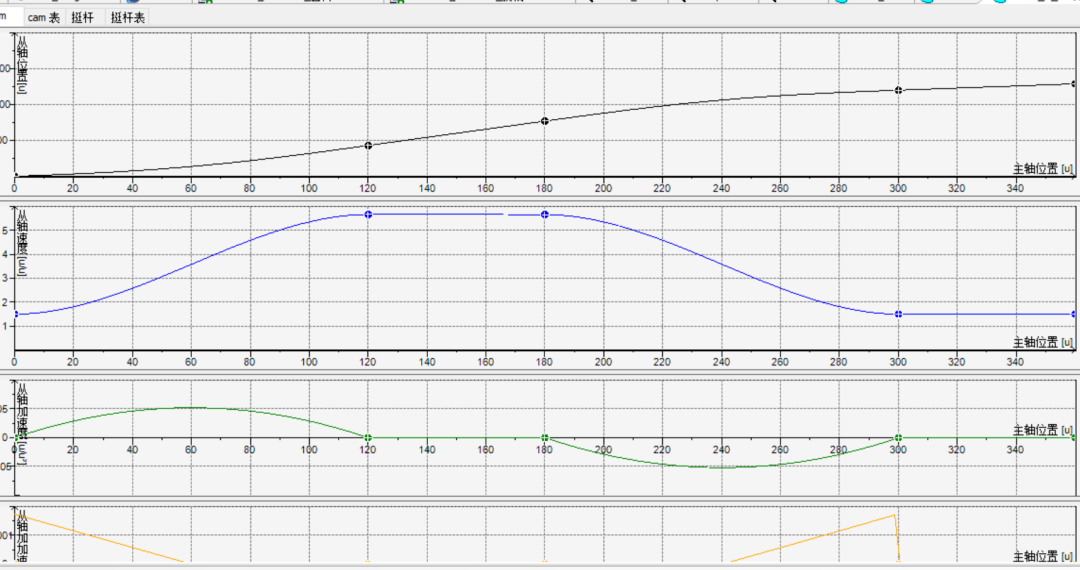
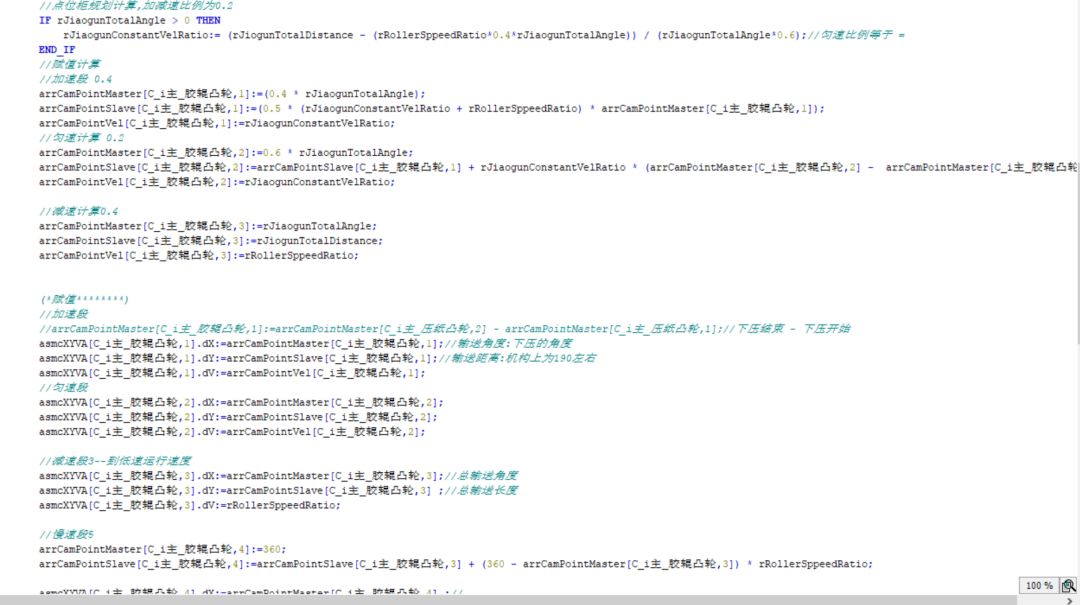
③ 5th-Order Curve Planning for Smoother Acceleration and Deceleration
5th-order curve planning ensures smoother acceleration and deceleration, reduces mechanical shock, and enhances operational stability. By optimally setting constant-speed intervals and lowering peak rotational speeds, it significantly improves dynamic response during paper feed start-up and stop.
6
④ Adjustable phase parameters for flexible adaptation to different operating conditions
The phase parameters can be freely adjusted to meet diverse requirements for paper spacing and feed speed under various operating conditions. The trajectory planning and phase adjustment functions allow for flexible adjustment of the phase angle to interface with the host machine, accommodating the interfacing requirements of different die-cutting equipment.


Application Value

Quality Leap

The all-cam solution, combined with 5th-order curve planning, ensures a smooth, shock-free paper feeding process with precise paper positioning, effectively preventing scratches and misalignment while improving the neatness of post-die-cutting paper collection.

Production Capacity Breakthrough

An 8-axis scanning cycle of 2 ms ensures high-speed, multi-axis coordination, with the equipment operating stably at speeds of up to 5,000 sheets per hour to meet the high-speed production demands of corrugated cardboard die-cutting lines.

Cost Optimization

The all-cam solution makes switching and debugging between different cardboard specifications more convenient, significantly reducing the time required for specialized personnel to perform adjustments. Phase parameters can be freely modified to adapt to different operating conditions without the need for reprogramming.

Simplified Operation and Maintenance

The system architecture is clear, making troubleshooting straightforward. The stable, coordinated operation of the LC1500 series PLC and Lingchen servo drive system ensures long-term, reliable equipment performance and effectively reduces long-term maintenance costs.


Conclusion

7


Lingchen Technology, with its LC1500 series PLC, Lingchen servo drive system, and Lingchen touchscreen at the core, provides an integrated solution for bottom-suction paper feeders—from the control layer to the execution layer—through technical innovations such as an 8-axis 2-millisecond scan cycle, a fully cam-based design, 5-point curve planning, and flexible modification of phase parameters. This solution achieves a paper feeding speed of 5,000 sheets per hour and supports paper lengths of 1,400 mm, and has been thoroughly validated at customer sites.

Moving forward, Lingchen Technology will continue to deepen its expertise in the field of packaging automation, focusing on the core process requirements of paper feeding, die-cutting, and printing. With more comprehensive PLC products and solutions, the company will continue to empower the transformation and upgrading of China’s packaging industry.


 About Lingchen 

- About Us -


400

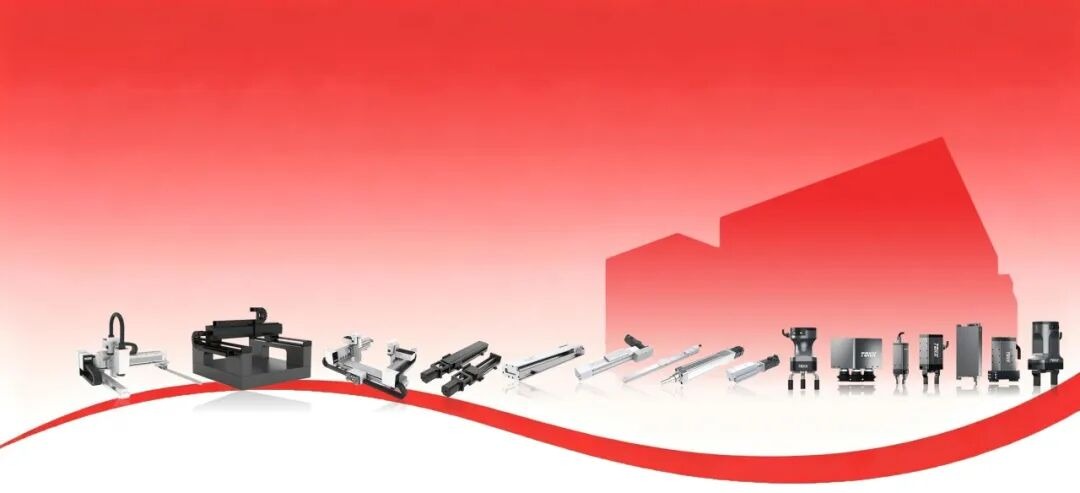
Suzhou Lingchen Acquisition Computer Co., Ltd. was established in 2006. Guided by the business philosophy of creating value for customers and achieving win-win cooperation, the company provides core components and system solutions for automated equipment such as industrial computers, motion control, test and measurement, machine vision, and robotics. Lingchen currently has two wholly-owned subsidiaries: Suzhou Xunya Automation Technology Co., Ltd. and TIOK Robot (Suzhou) Co., Ltd., engaged respectively in robot sales and the R&D, production, and sales of linear transmission products. With outstanding performance in specialization, refinement, distinctiveness, and innovation, the company was awarded the Ministry of Industry and Information Technology's “Little Giant” specialized and innovative SME title in 2025, marking a new stage in its development. It will continue to advance the growth and innovation of China's smart manufacturing industry.


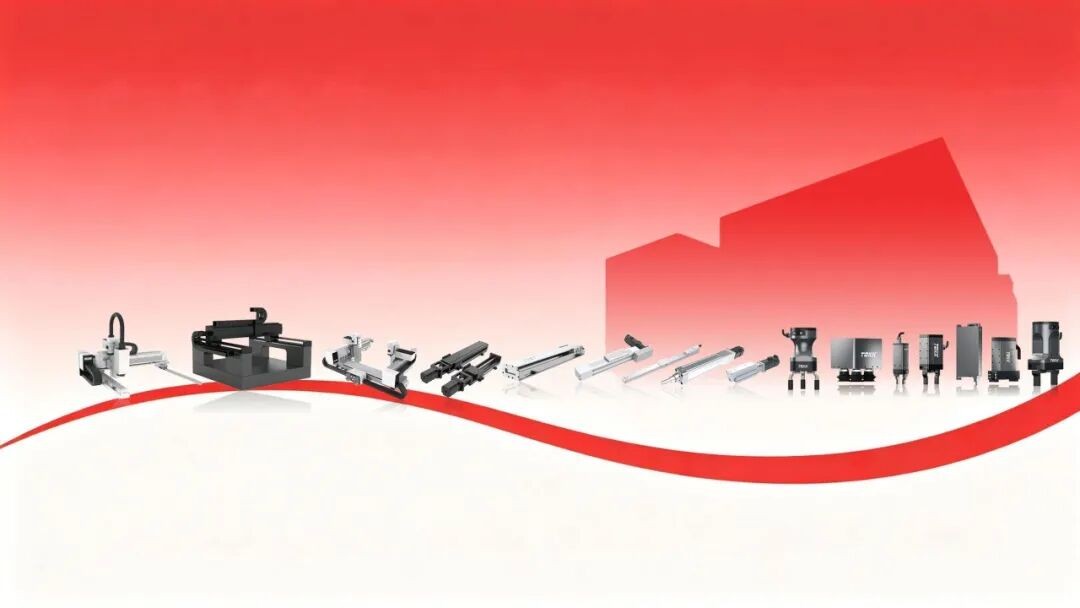
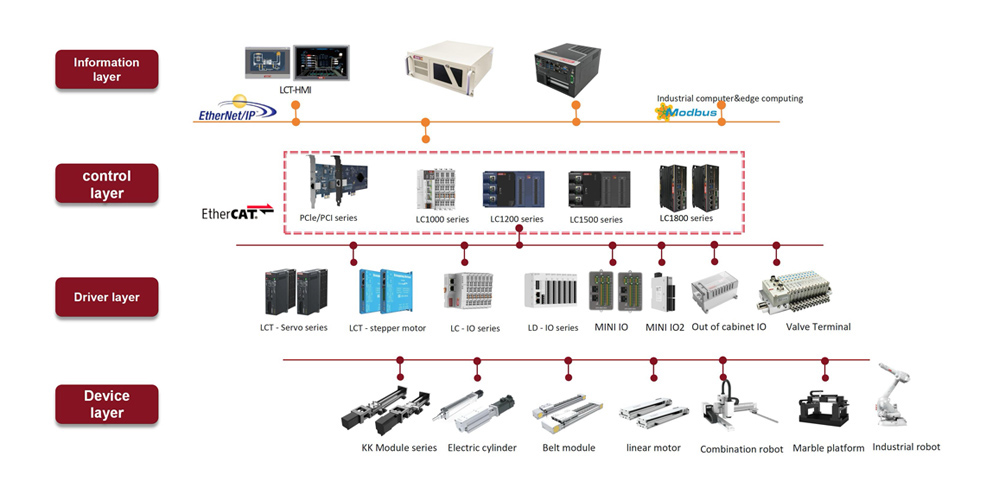
Product System Network


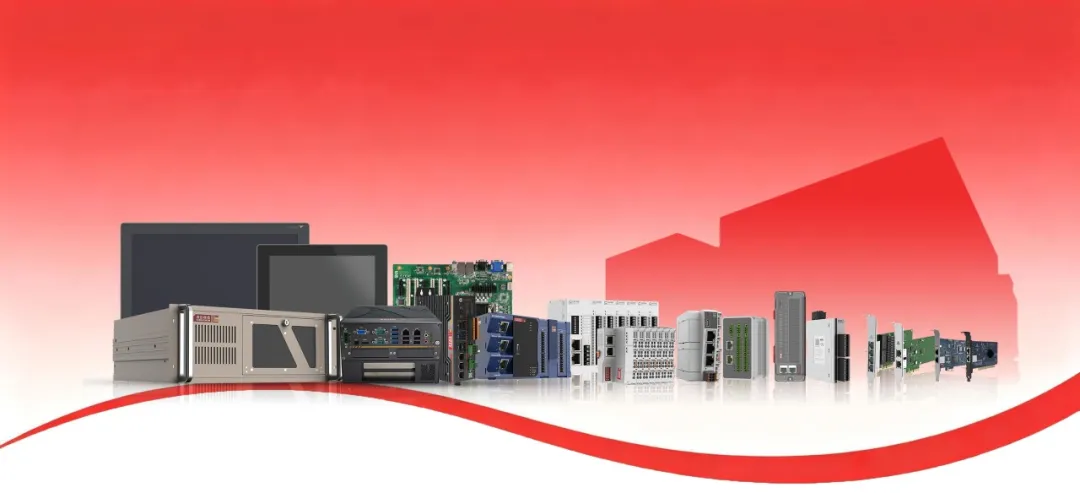
Across the layers of the automation control network, Lingchen Technology covers all products in the device layer, control layer, and information layer
1000


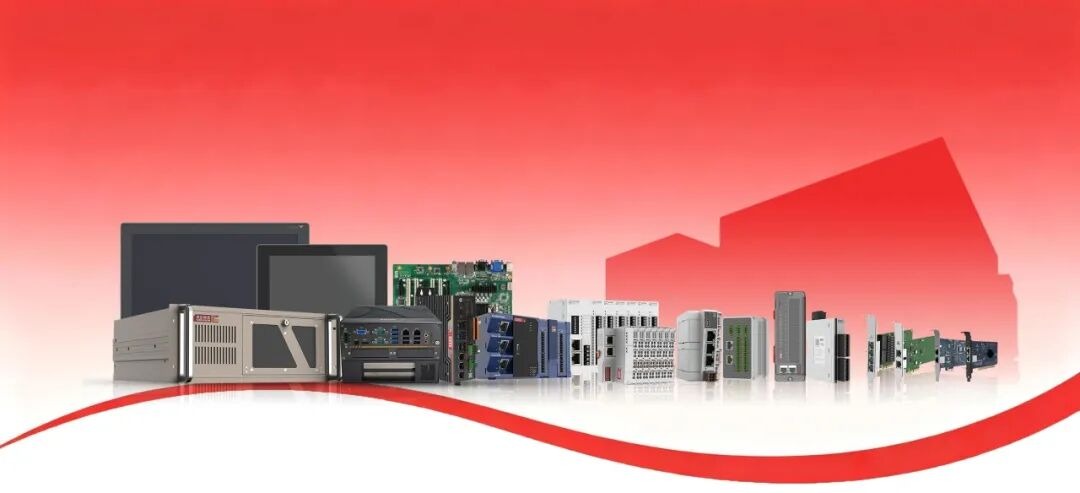
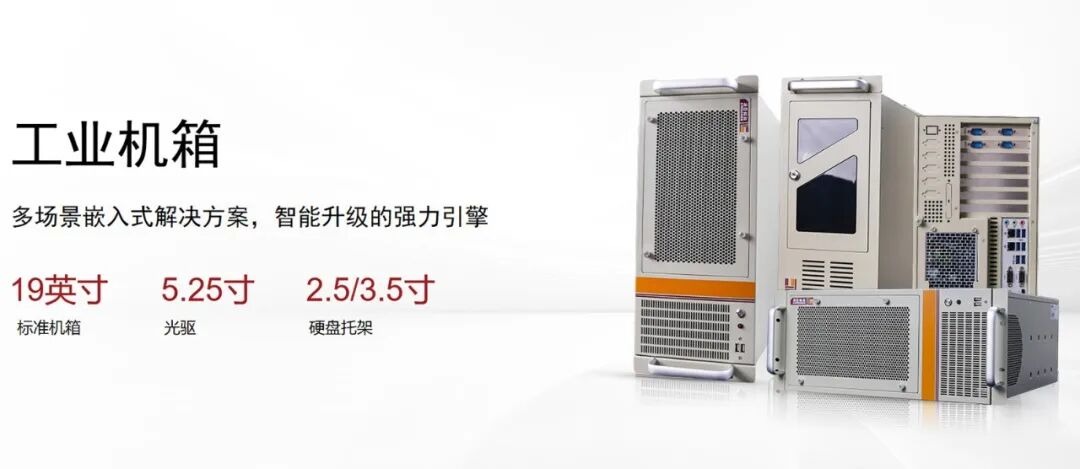
01 Industrial Computers


Lingchen industrial chassis provide all-round physical protection for critical computing cores with an industrial-grade rugged structure and excellent heat dissipation and dust-proof design, ensuring long-lasting, stable operation in harsh industrial environments with vibration, dust, and wide temperature ranges.


linchen-technology-empowers-se-7


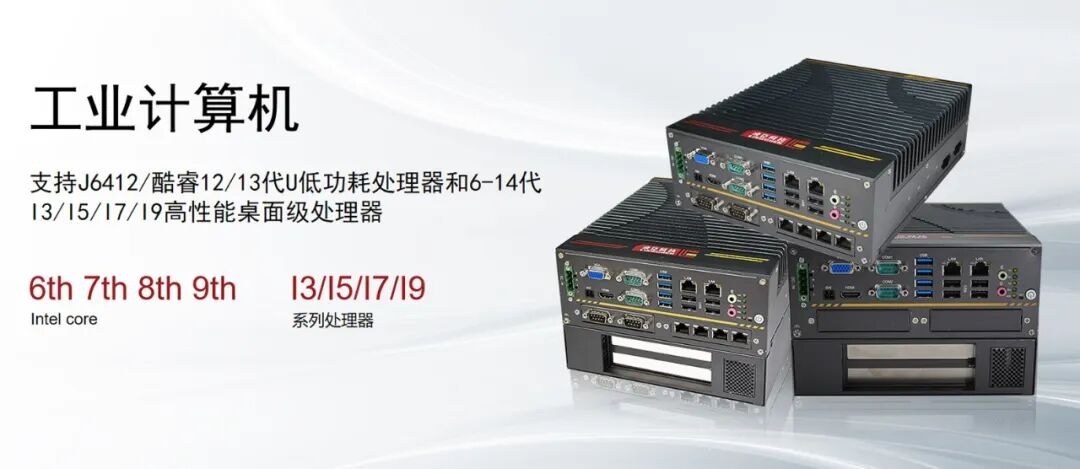
02 Embedded Industrial PCs


Lingchen embedded industrial PCs combine high-performance computing, rich I/O interfaces, and wide-temperature/wide-voltage adaptability in a compact, rugged industrial design. Built for embedded scenarios such as machine vision, edge computing, and automation equipment, they provide a stable and reliable intelligent core within limited space, empowering smart manufacturing and IoT applications.
 

linchen-technology-empowers-se-8


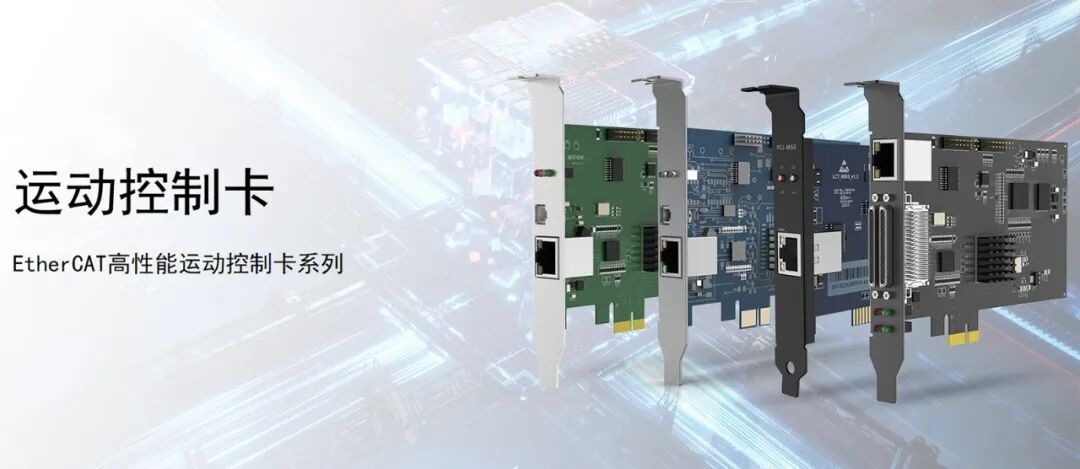
03 Motion Control Cards


Lingchen motion control cards can control up to 32 motion axes and simultaneously support up to 512 DI points and 512 DO points, with a maximum bus communication cycle of 250µs. Motion functions include single-axis relative motion, absolute motion, jog motion, and drive homing; multi-axis interpolation; multi-axis point-table motion; and electronic gearing.
 

linchen-technology-empowers-se-9


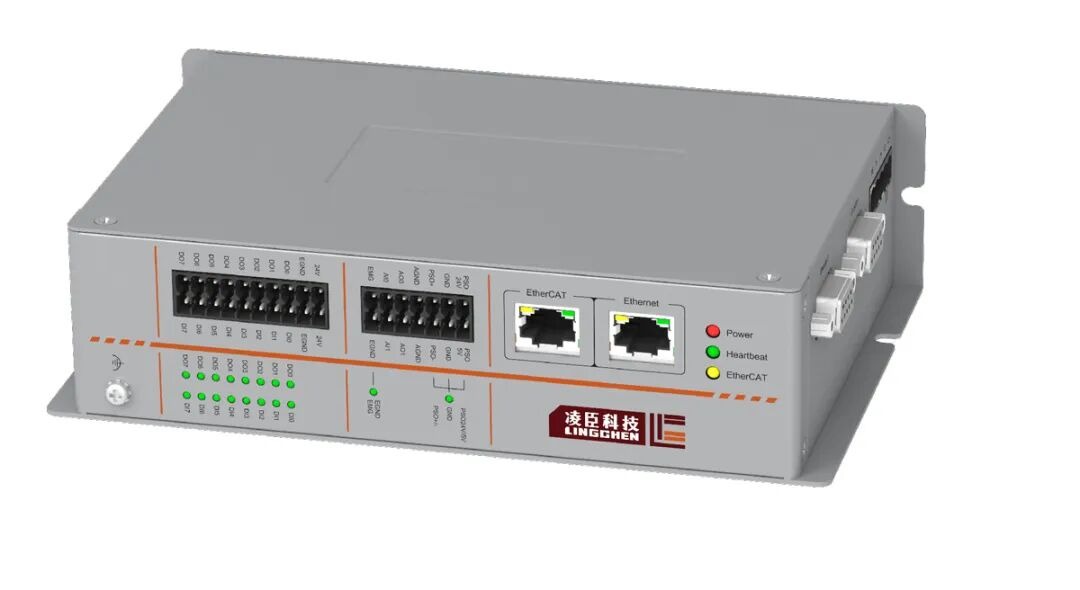
04 LMC Series Motion Controllers


Lingchen LMC series motion controllers are designed on an open hard real-time kernel (jitter < ±0.3us), completely resolving the non-real-time pain points of traditional Windows platforms and ensuring determinism and immediate response for multi-axis commands. Installation is extremely convenient—a single network cable completes the connection—and efficient asynchronous communication technology enables synchronized issuance and control of up to 12 axes of motion commands within 1 millisecond.
 

linchen-technology-empowers-se-10


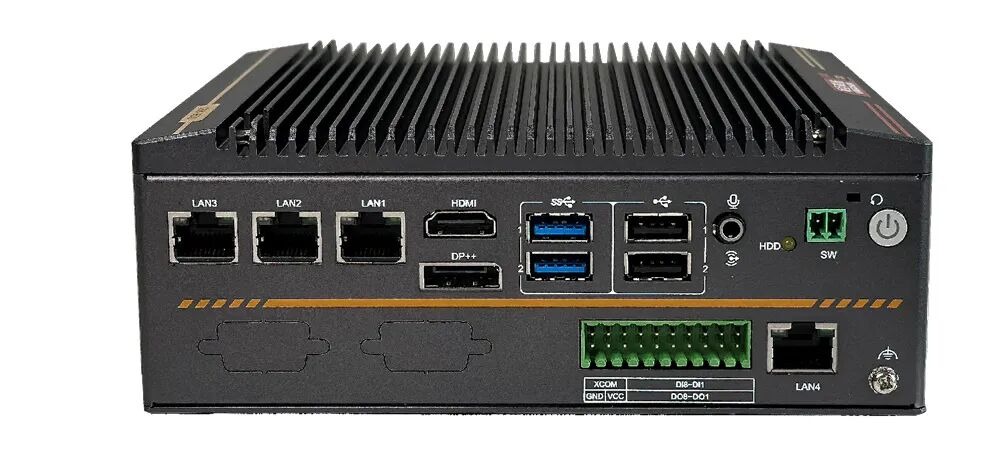
05 NAC Series High-Performance Motion Controllers


Lingchen NAC controllers center on powerful bus expansion capability, supporting 4 EtherCAT masters and enabling precise control of 256 axes per station and 4,096 I/O points in total. Their motion control functions are comprehensive and powerful: they support basic point-to-point, linear, and circular interpolation, and also offer advanced functions such as five-axis interpolation, trajectory spline smoothing, and dynamic coordinate systems; they integrate vibration suppression, soft landing, and high-precision position comparison output, and, combined with 8 independent interpolation systems and continuous interpolation capability, meet the needs of complex trajectories and high-speed synchronization. The development environment is open and flexible, supporting C++, C#, Python, and other languages, with direct programming inside the real-time system, significantly improving integration and commissioning efficiency.
 

linchen-technology-empowers-se-11


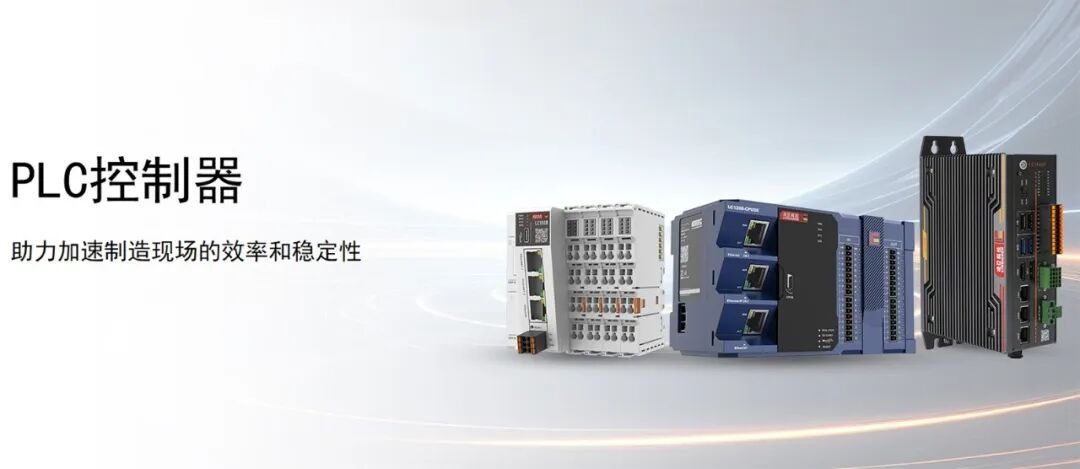
06 PLC Motion Controllers


Lingchen PLC controllers strictly follow the PLCopen specification and the IEC-61131-3 international standard, combining high performance, a small footprint, and modular design with easy development and flexible deployment. They are widely used in automation equipment and production line systems in 3C, lithium battery, packaging, printing, and other fields, and can be extended to serve as network communication nodes in combined lines for logistics, automotive, and daily necessities, meeting requirements for internal/external network isolation, high-speed bus communication, and real-time data processing, providing a stable and reliable control core for various industrial scenarios.
 

linchen-technology-empowers-se-12


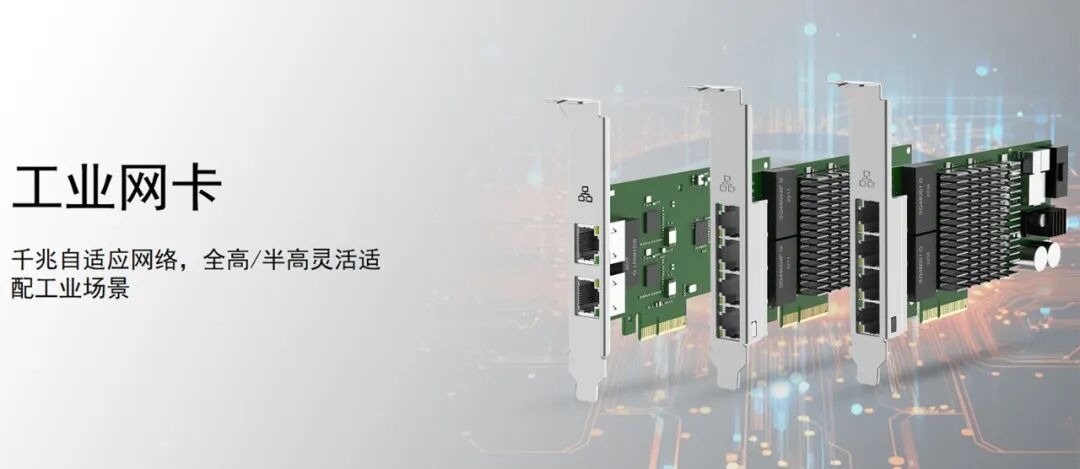
07 Industrial Network Cards


Lingchen industrial network cards are designed for harsh industrial environments, featuring 10/100/1000Mbps auto-negotiation and providing stable, reliable high-speed network connections. With characteristics such as interference resistance, surge protection, and wide-temperature operation, they are widely used in key scenarios including motion control, machine vision, and automation systems. The products feature a flexible mounting design (full-height bracket as standard, half-height bracket optional) and can be widely integrated into various smart manufacturing devices and industrial networks.
 

linchen-technology-empowers-se-13


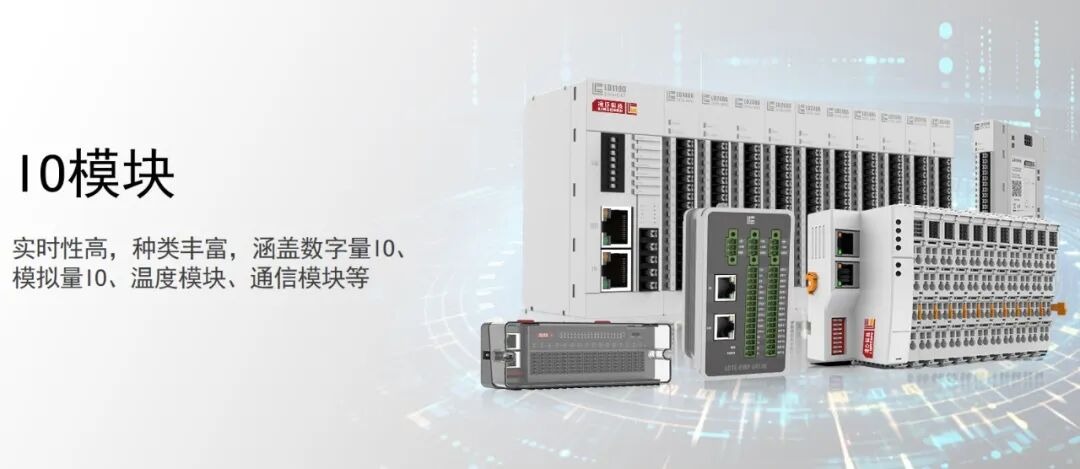
08 IO Modules


Lingchen Technology offers a full range of IO module solutions to flexibly meet diverse industrial automation needs.

LC/LD series expansion IO modules: support multiple protocols such as EtherCAT, Profinet, Ethernet/IP, and Modbus TCP, and can flexibly expand digital, analog, temperature, pressure, and pulse acquisition modules, widely used in 3C, lithium battery, semiconductor, automotive, medical, and other fields.

MINI series IO modules: compact in size with high real-time performance, covering digital IO, analog IO, temperature modules, and communication modules, suitable for control and data acquisition scenarios with high space and real-time requirements.

GWS series out-of-cabinet IO modules: featuring high stability and convenient network wiring, suitable for distributed layouts and significantly saving system integration time and cost.

The full product range is dedicated to providing users with reliable, easy-to-integrate IO module support adaptable to multiple scenarios.


linchen-technology-empowers-se-14