inquiry now
Leave Your Message

Lingchen Technology's Industrial PC + Trigger Card Facilitates Aluminium Foil Cutting and Inspection
2026-10-29
linchen-technology-empowers-se


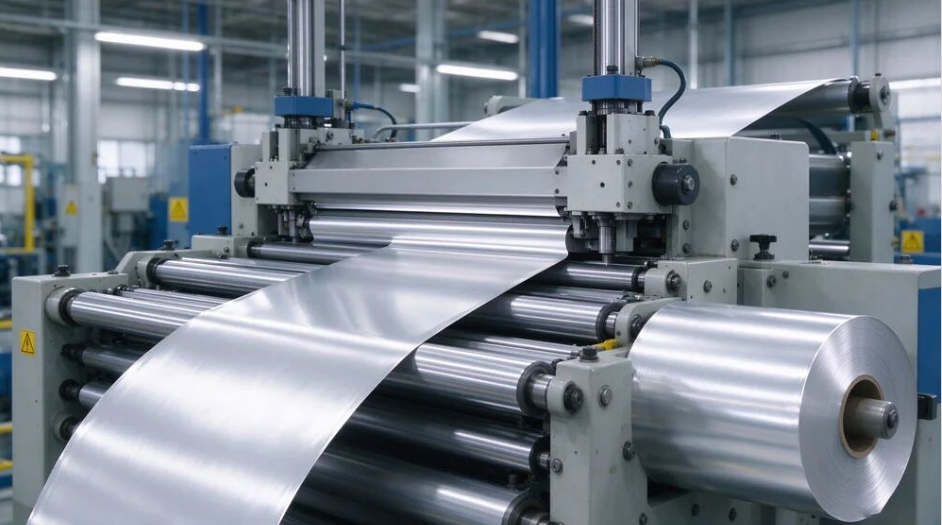
As an important industrial material, aluminium foil is widely used in the electronics and packaging sectors. In the electronics industry, aluminium foil slitting machines are primarily used to produce high-precision electronic components such as printed circuit boards, capacitors and electromagnetic shielding materials. In 2023, global demand for aluminium foil in the electronics industry reached approximately 1.5 million metric tonnes, and is projected to grow to 2.0 million metric tonnes by 2030, representing a compound annual growth rate of approximately 3.2 percent.
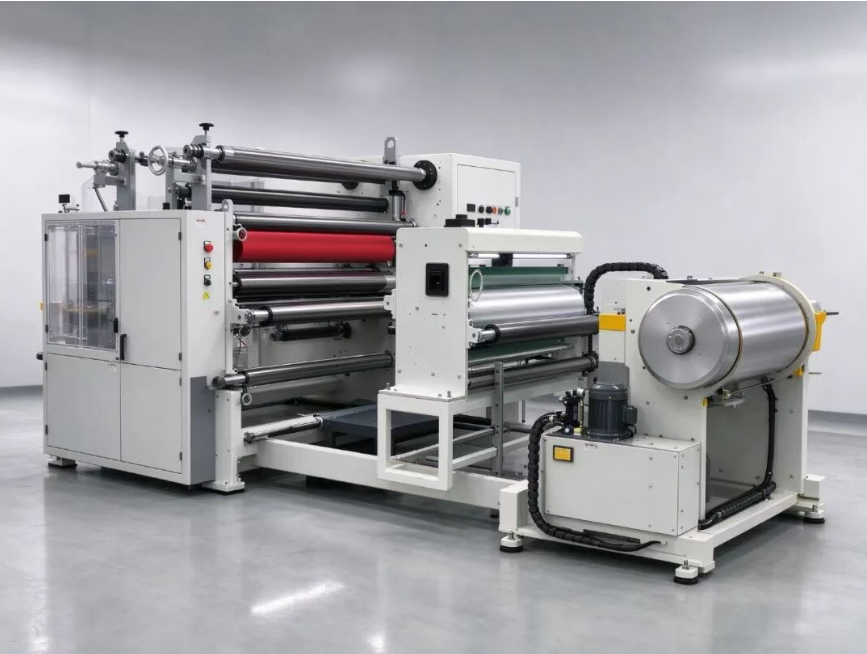
In the packaging sector, aluminium foil packaging materials are widely used in the food, pharmaceutical and cosmetics sectors due to their excellent moisture-proof, anti-oxidation and light-blocking properties. In 2023, global demand for aluminium foil in the packaging sector stood at approximately 1.2 million metric tonnes, and is projected to rise to 1.6 million metric tonnes by 2030, representing a compound annual growth rate of approximately 4.5 percent.

With the rapid development of sectors such as 5G communications equipment, smartphones and new energy vehicles, coupled with rising consumer demand for high-quality packaging, the market has placed higher demands on the precision, efficiency and level of automation of aluminium foil cutting and inspection machines.

Lingchen Technology has specialised in the field of industrial automation for over twenty years. In response to the stringent requirements of aluminium foil cutting and inspection equipment for high-speed image acquisition, precise trigger control and AI vision analysis, the company provides an integrated solution centred on a high-performance industrial PC combined with a PCIe trigger card. This solution effectively addresses the pain points commonly encountered in traditional aluminium foil cutting and inspection—such as insufficient trigger accuracy, low image processing efficiency and labelling position deviations—thereby creating a new, highly efficient, precise and stable approach to aluminium foil cutting and inspection for its customers.


Process Flow and Quality Requirements for Aluminium Foil Cutting and Inspection

1

Impact on product quality 
Improving dimensional accuracy and ensuring compatibility: Precisely controlling the length, width and edge perpendicularity of the cut to prevent issues such as dimensional deviations, skewed cuts and rough edges, thereby ensuring that aluminium foil products fit precisely with downstream production equipment.


Eliminating defective products and reducing the defect rate: Real-time detection of surface defects on the aluminium foil, such as pinholes, scratches, oil stains, oxidation spots and impurities, enables the prompt sorting out of non-conforming items, thereby preventing defective aluminium foil from entering subsequent production stages.

Ensuring consistent product quality and strengthening brand reputation: Through automated inspection and closed-loop control of cutting parameters, variations caused by manual operation are minimised, guaranteeing uniform quality across batches of aluminium foil produced.

2

Layout of Inspection Stations 
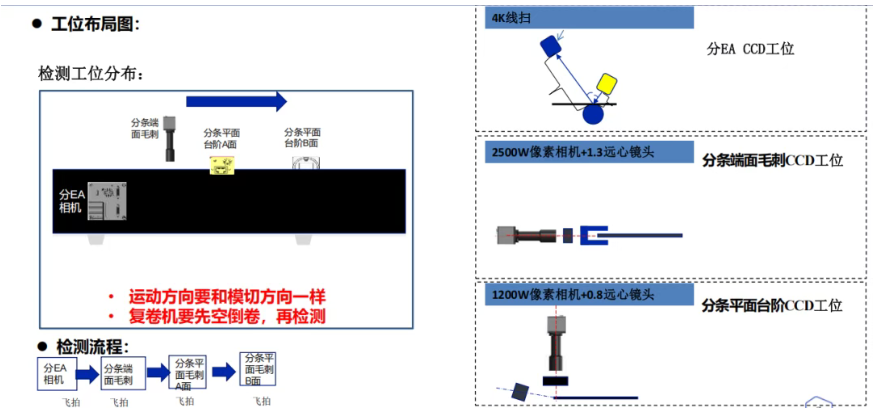
The equipment utilises a multi-station inspection configuration, with the inspection stations arranged sequentially along the production line: an EA camera inspection station (4K line scan), a slitting end-face burr inspection station (25-megapixel camera + 1.3 telecentric lens), a slitting flat-surface step A-side inspection station, and a slitting flat-surface step B-side inspection station (12-megapixel camera + 0.8 telecentric lens). Image acquisition at each station is carried out using a flying camera, with the direction of movement aligned with the die-cutting direction; the rewinder first performs an empty rewinding operation before inspection takes place.

Key Performance Indicators
· Resolution: up to 170 μm–660 μm
· Minimum defect detection size: 0.3 mm–0.5 mm
· Sample preparation error: ≤±0.1 mm
· Inspection speed: up to 350 m/min

3
Inspection Protocol
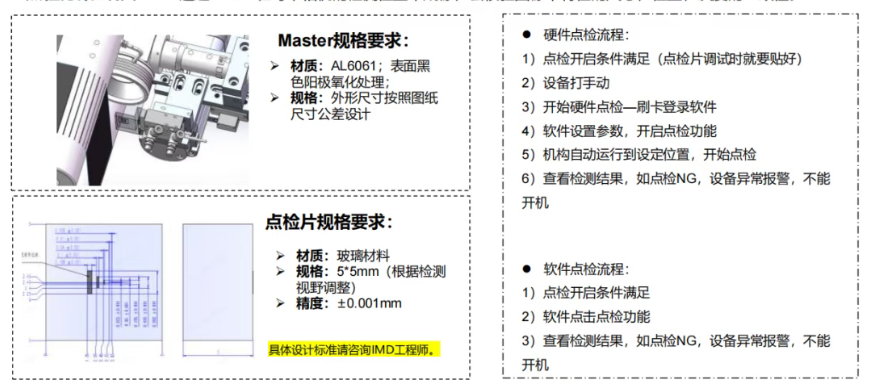
The system supports two inspection modes: hardware inspection and software inspection. Hardware inspection involves capturing images at each camera’s detection position using a master inspection chart to verify the consistency of the dimensions, positions and greyscale levels of features within the image; software inspection involves selecting the inspection function within the software to view the inspection results; if the inspection fails (NG), the system triggers an alarm to indicate a fault and the equipment cannot be switched on.


Lingchen Technology Solution

4

In response to the stringent requirements for aluminium foil cutting and inspection equipment, Lingchen Technology offers an integrated solution centred on a high-performance industrial PC combined with a PCIe trigger card.


Hardware Configuration
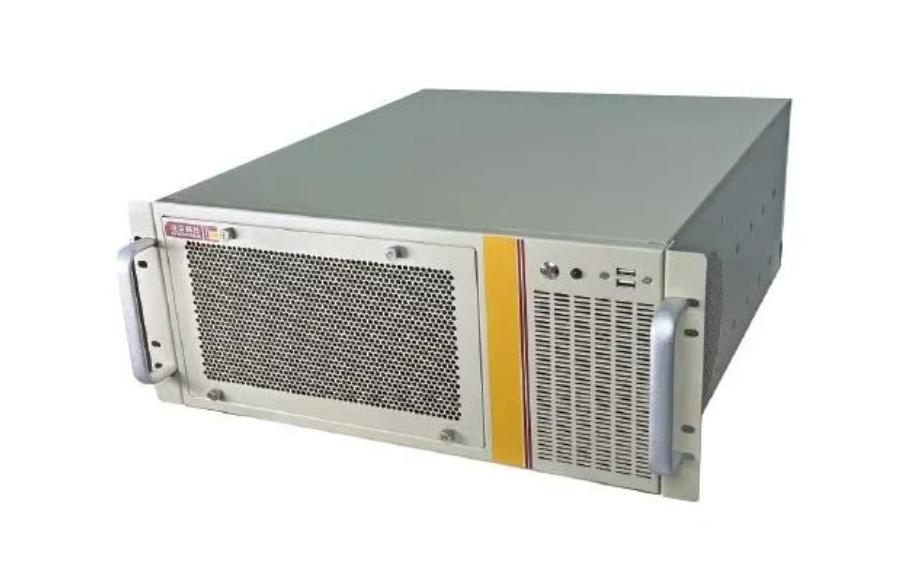
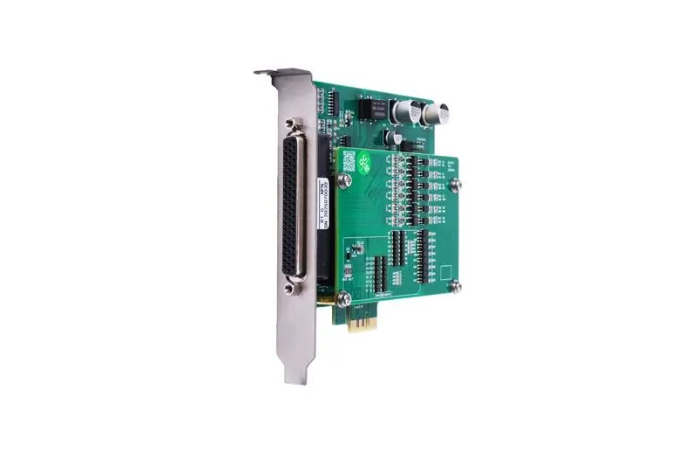
This solution utilises a Lingchen high-performance industrial PC as its central processing unit, housed in an RKGPU645 chassis, equipped with an Intel i9-1490K CPU, 32GB DDR5 memory, a 512GB M.2 SSD, an 8TB HDD, and 24TB of enterprise-grade storage. It is fitted with an 850W power supply and features two GeForce RTX 4080 graphics cards, along with three expansion slots (2× PCIe x16, 4× PCIe x4), meeting the high computational demands of AI training and image processing. It is also equipped with a PCIe-E21I2016-B4 high-speed trigger card, which captures the position of absolute encoders, sets the encoder offset value, and triggers the labelling machine at the corresponding positions across 12 channels.
5
Core Technology Implementation
① Data Acquisition and Monitoring
The Lingchen industrial PC is responsible for acquiring, monitoring and analysing data in real time from the various sensors and motors within the edge-grinding machine system, ensuring the system operates in a stable and controllable manner.

② Image Acquisition and AI Training
Working in conjunction with the vision system, it captures edge images for analysis and processing. It identifies and rejects defective products whilst conducting AI training. The dual 4080 graphics cards provide robust computing power to support AI training and image processing.

③ 12-channel precision triggering
Lingchen trigger card capturesthe position of the absolute encoder, sets the encoder offset value, and triggers the labelling machine at the corresponding positions across 12 separate channels. It supports a ‘kick-off’ mode; once an output channel is set to this mode, the customer can use an API to program the absolute kick-off position, and a signal will be automatically output when the encoder reaches that position. Each channel features an independent 128-element deep FIFO buffer; positions written to the FIFO are automatically sorted by size, ensuring precise and error-free trigger sequencing.

6
④ OK/NG Labelling Trigger Mechanism

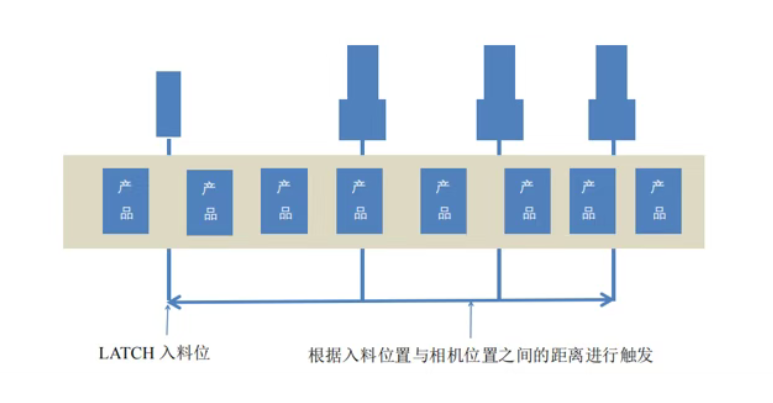
The system triggers the labelling process based on the distance between the feed position and the camera position. It uses the LATCH feed position as a reference point and calculates the trigger timing in real time using the encoder’s position data, thereby ensuring precise positioning and execution of OK/NG labelling.


Value of the Solution

7

A Leap in Quality

Precise control of cutting dimensions and edge quality to prevent issues such as dimensional deviations, skewed cuts and burrs. Real-time detection of defects such as pinholes, scratches, oil stains, oxidation marks and impurities, enabling the prompt sorting of non-conforming products and improving product consistency.

Production Capacity Breakthrough

Inspection speeds of up to 350 m/min meet the demands of high-speed production lines. Twelve independent trigger channels, combined with a 128-depth FIFO buffer, ensure precise and error-free labelling triggers during high-speed operation, fully unlocking production efficiency.

Cost Optimisation

AI vision inspection replaces manual visual inspection, significantly reducing the need for human intervention and lowering labour costs. Dual 4080 graphics cards support AI training to continuously optimise inspection models, thereby constantly improving detection rates and accuracy.

Simplified Operation and Maintenance
The system supports both hardware and software inspection modes, with automatic alerts for non-conforming (NG) items during inspection, ensuring the equipment remains under control at all times. The modular design facilitates troubleshooting and maintenance, allowing frontline staff to carry out basic operational and maintenance tasks.


Conclusion


8,3
Aluminium foil cutting and inspection machines are crucial quality control equipment in the electronics and packaging industries; their inspection precision, trigger accuracy and operational efficiency directly determine the quality and production capacity of aluminium foil products. With the rapid development of sectors such as 5G communications, new energy vehicles and high-quality packaging, market demands for aluminium foil cutting and inspection equipment are constantly rising. Lingchen Technology, utilising high-performance industrial PCs combined with PCIe trigger cards as its core technology, provides integrated solutions for aluminium foil cutting and inspection equipment, ranging from image acquisition and processing to precise trigger control and AI training and analysis.

Looking ahead, Lingchen Technology will continue to specialise in the field of aluminium foil processing automation, focusing on core process requirements such as cutting, inspection and labelling, and will continue to empower the transformation and upgrading of China’s aluminium foil processing industry with more comprehensive products and solutions.


 About Lingchen 

- About Us -


400

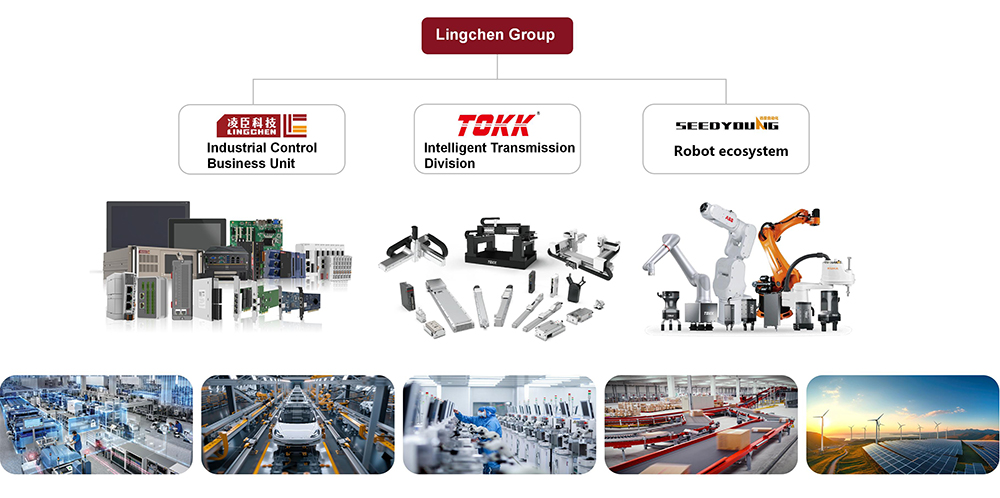
Suzhou Lingchen Acquisition Computer Co., Ltd. was established in 2006. Guided by the business philosophy of creating value for customers and achieving win-win cooperation, the company provides core components and system solutions for automated equipment such as industrial computers, motion control, test and measurement, machine vision, and robotics. Lingchen currently has two wholly-owned subsidiaries: Suzhou Xunya Automation Technology Co., Ltd. and TIOK Robot (Suzhou) Co., Ltd., engaged respectively in robot sales and the R&D, production, and sales of linear transmission products. With outstanding performance in specialization, refinement, distinctiveness, and innovation, the company was awarded the Ministry of Industry and Information Technology's “Little Giant” specialized and innovative SME title in 2025, marking a new stage in its development. It will continue to advance the growth and innovation of China's smart manufacturing industry.


Product System Network


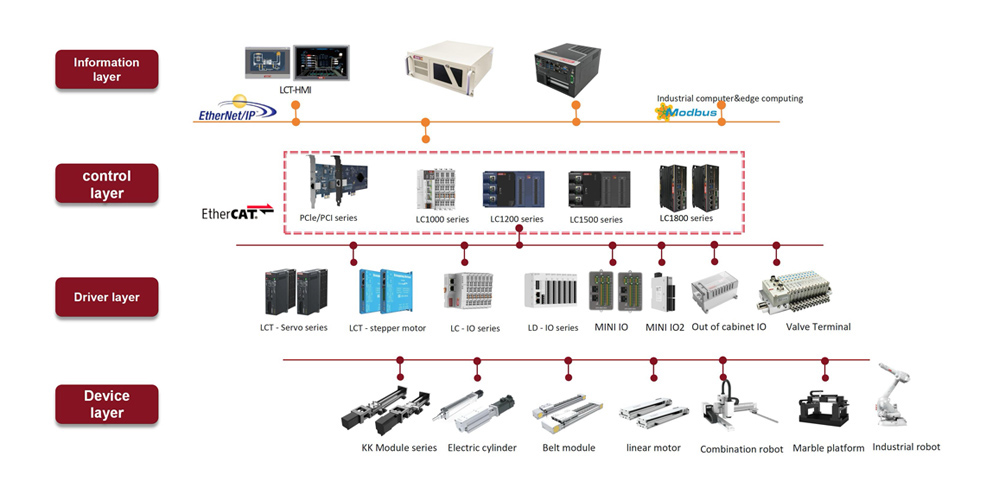
Across the layers of the automation control network, Lingchen Technology covers all products in the device layer, control layer, and information layer
1000


01 Industrial Computers


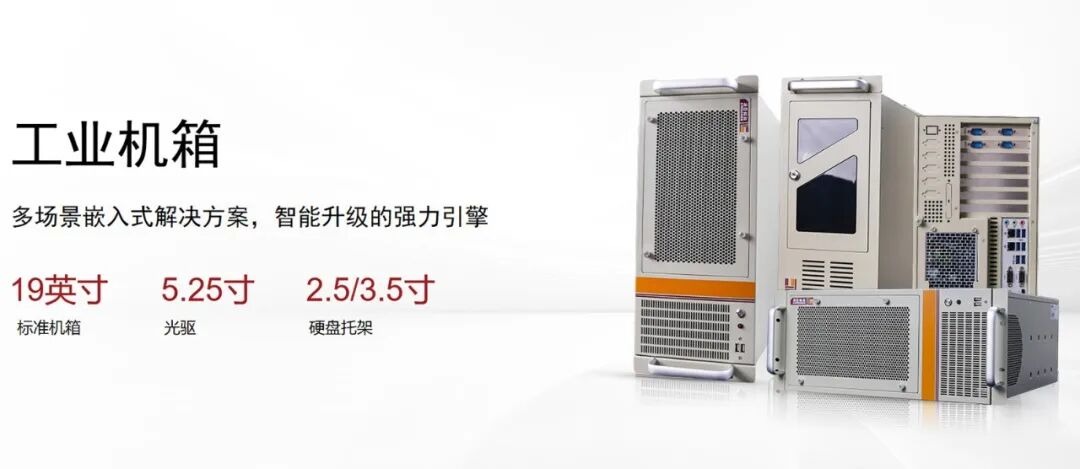
Lingchen industrial chassis provide all-round physical protection for critical computing cores with an industrial-grade rugged structure and excellent heat dissipation and dust-proof design, ensuring long-lasting, stable operation in harsh industrial environments with vibration, dust, and wide temperature ranges.


linchen-technology-empowers-se-7


02 Embedded Industrial PCs


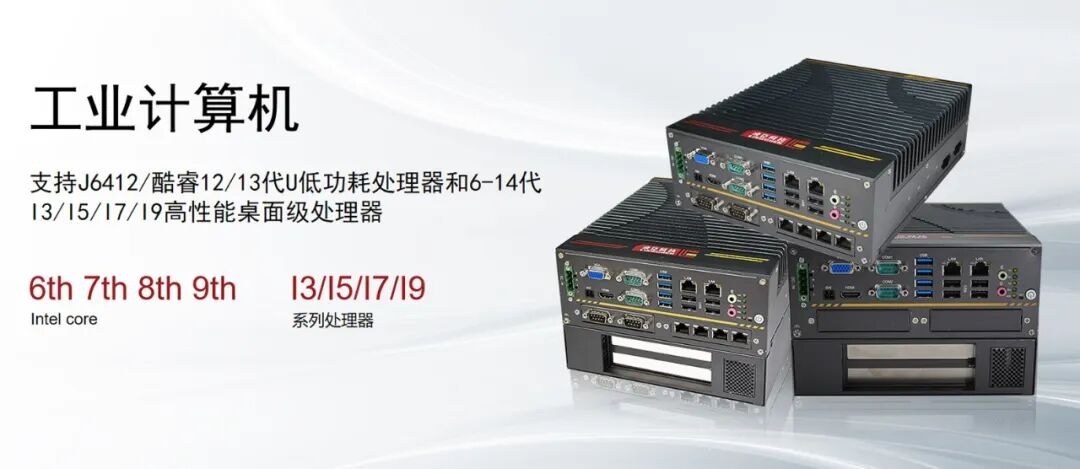
Lingchen embedded industrial PCs combine high-performance computing, rich I/O interfaces, and wide-temperature/wide-voltage adaptability in a compact, rugged industrial design. Built for embedded scenarios such as machine vision, edge computing, and automation equipment, they provide a stable and reliable intelligent core within limited space, empowering smart manufacturing and IoT applications.
 

linchen-technology-empowers-se-8


03 Motion Control Cards


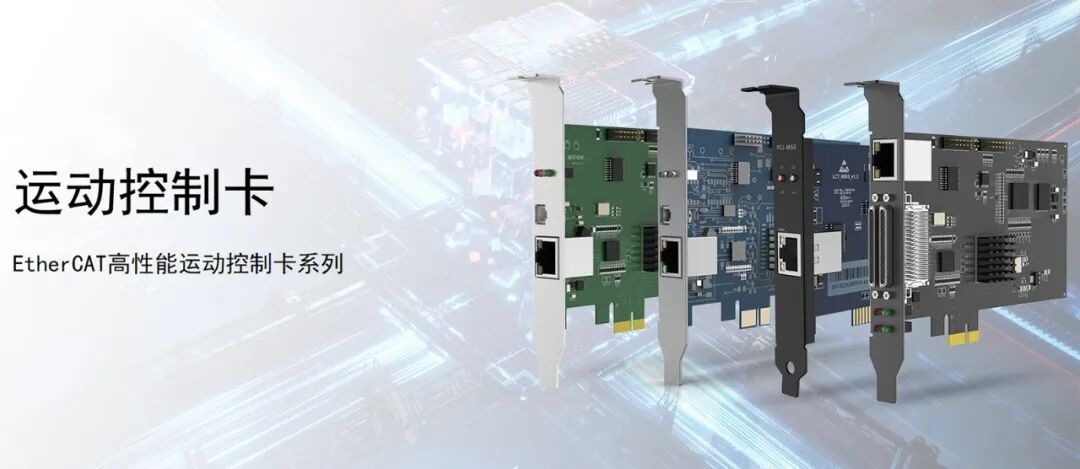
Lingchen motion control cards can control up to 32 motion axes and simultaneously support up to 512 DI points and 512 DO points, with a maximum bus communication cycle of 250µs. Motion functions include single-axis relative motion, absolute motion, jog motion, and drive homing; multi-axis interpolation; multi-axis point-table motion; and electronic gearing.
 

linchen-technology-empowers-se-9


04 LMC Series Motion Controllers


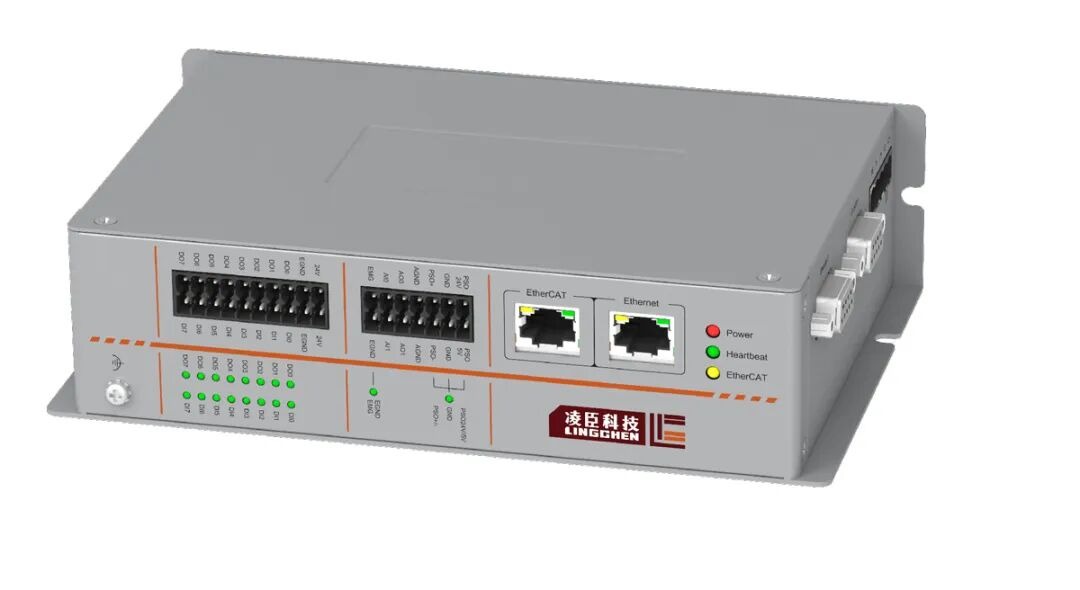
Lingchen LMC series motion controllers are designed on an open hard real-time kernel (jitter < ±0.3us), completely resolving the non-real-time pain points of traditional Windows platforms and ensuring determinism and immediate response for multi-axis commands. Installation is extremely convenient—a single network cable completes the connection—and efficient asynchronous communication technology enables synchronized issuance and control of up to 12 axes of motion commands within 1 millisecond.
 

linchen-technology-empowers-se-10


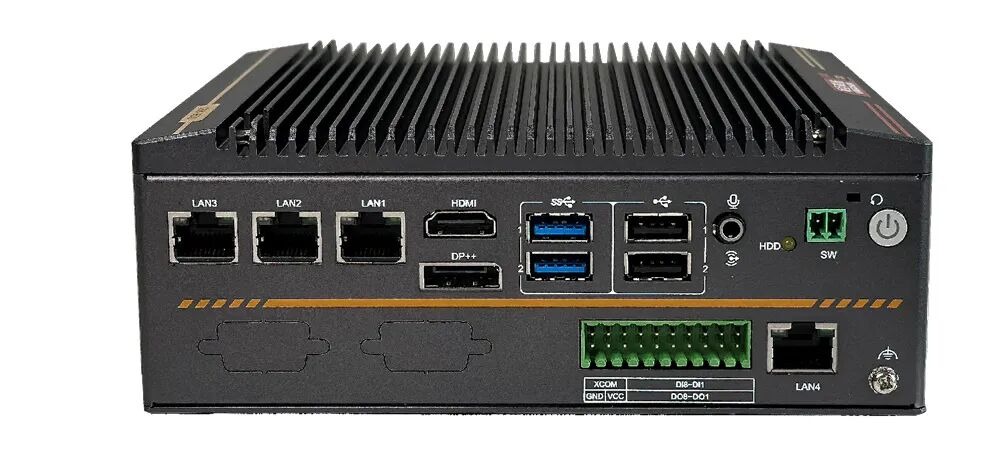
05 NAC Series High-Performance Motion Controllers


Lingchen NAC controllers center on powerful bus expansion capability, supporting 4 EtherCAT masters and enabling precise control of 256 axes per station and 4,096 I/O points in total. Their motion control functions are comprehensive and powerful: they support basic point-to-point, linear, and circular interpolation, and also offer advanced functions such as five-axis interpolation, trajectory spline smoothing, and dynamic coordinate systems; they integrate vibration suppression, soft landing, and high-precision position comparison output, and, combined with 8 independent interpolation systems and continuous interpolation capability, meet the needs of complex trajectories and high-speed synchronization. The development environment is open and flexible, supporting C++, C#, Python, and other languages, with direct programming inside the real-time system, significantly improving integration and commissioning efficiency.
 

linchen-technology-empowers-se-11


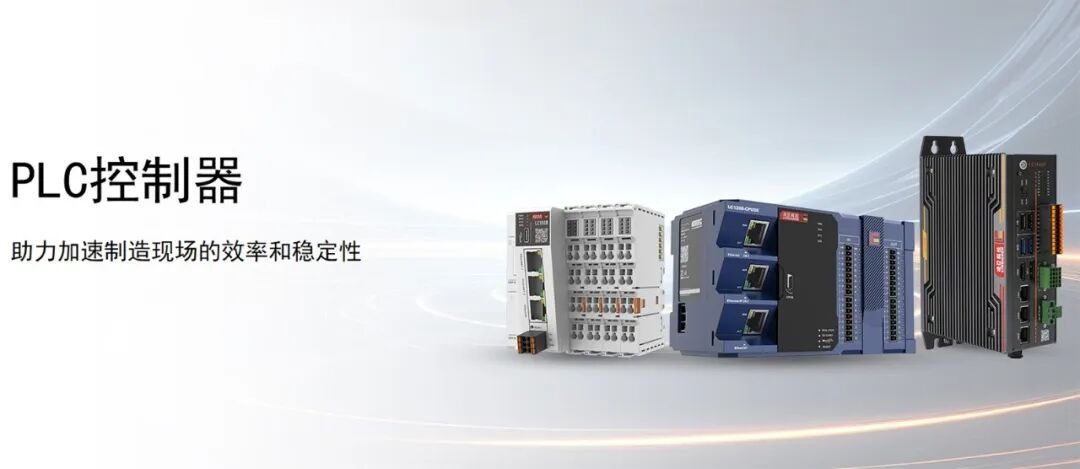
06 PLC Motion Controllers


Lingchen PLC controllers strictly follow the PLCopen specification and the IEC-61131-3 international standard, combining high performance, a small footprint, and modular design with easy development and flexible deployment. They are widely used in automation equipment and production line systems in 3C, lithium battery, packaging, printing, and other fields, and can be extended to serve as network communication nodes in combined lines for logistics, automotive, and daily necessities, meeting requirements for internal/external network isolation, high-speed bus communication, and real-time data processing, providing a stable and reliable control core for various industrial scenarios.
 

linchen-technology-empowers-se-12


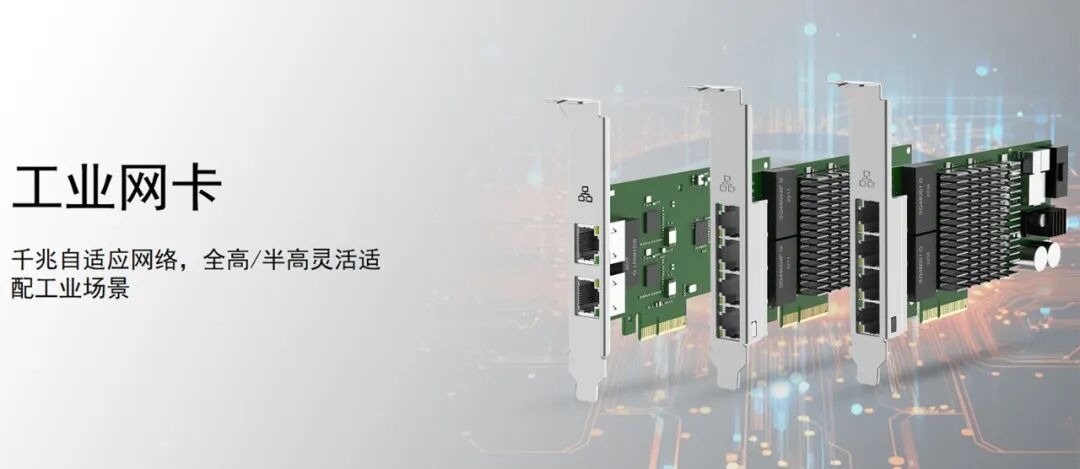
07 Industrial Network Cards


Lingchen industrial network cards are designed for harsh industrial environments, featuring 10/100/1000Mbps auto-negotiation and providing stable, reliable high-speed network connections. With characteristics such as interference resistance, surge protection, and wide-temperature operation, they are widely used in key scenarios including motion control, machine vision, and automation systems. The products feature a flexible mounting design (full-height bracket as standard, half-height bracket optional) and can be widely integrated into various smart manufacturing devices and industrial networks.
 

linchen-technology-empowers-se-13


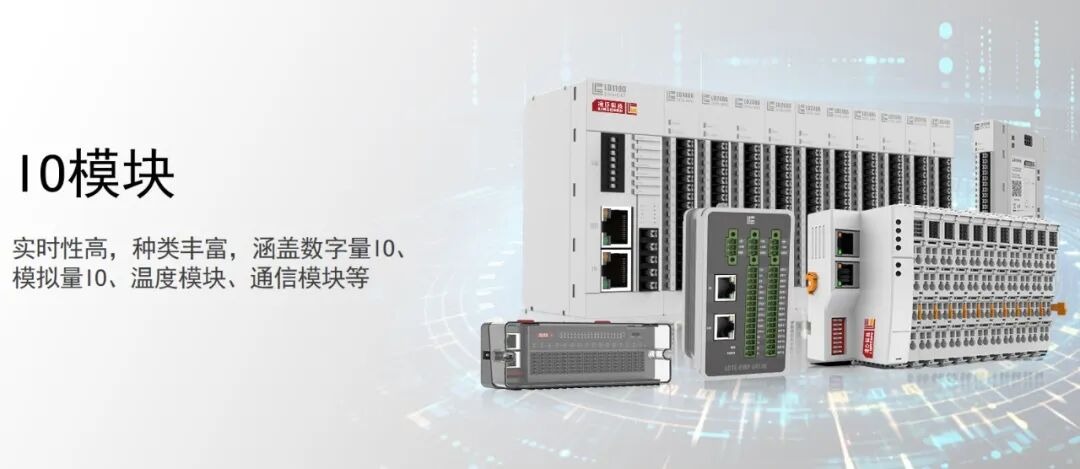
08 IO Modules


Lingchen Technology offers a full range of IO module solutions to flexibly meet diverse industrial automation needs.

LC/LD series expansion IO modules: support multiple protocols such as EtherCAT, Profinet, Ethernet/IP, and Modbus TCP, and can flexibly expand digital, analog, temperature, pressure, and pulse acquisition modules, widely used in 3C, lithium battery, semiconductor, automotive, medical, and other fields.

MINI series IO modules: compact in size with high real-time performance, covering digital IO, analog IO, temperature modules, and communication modules, suitable for control and data acquisition scenarios with high space and real-time requirements.

GWS series out-of-cabinet IO modules: featuring high stability and convenient network wiring, suitable for distributed layouts and significantly saving system integration time and cost.

The full product range is dedicated to providing users with reliable, easy-to-integrate IO module support adaptable to multiple scenarios.


linchen-technology-empowers-se-14